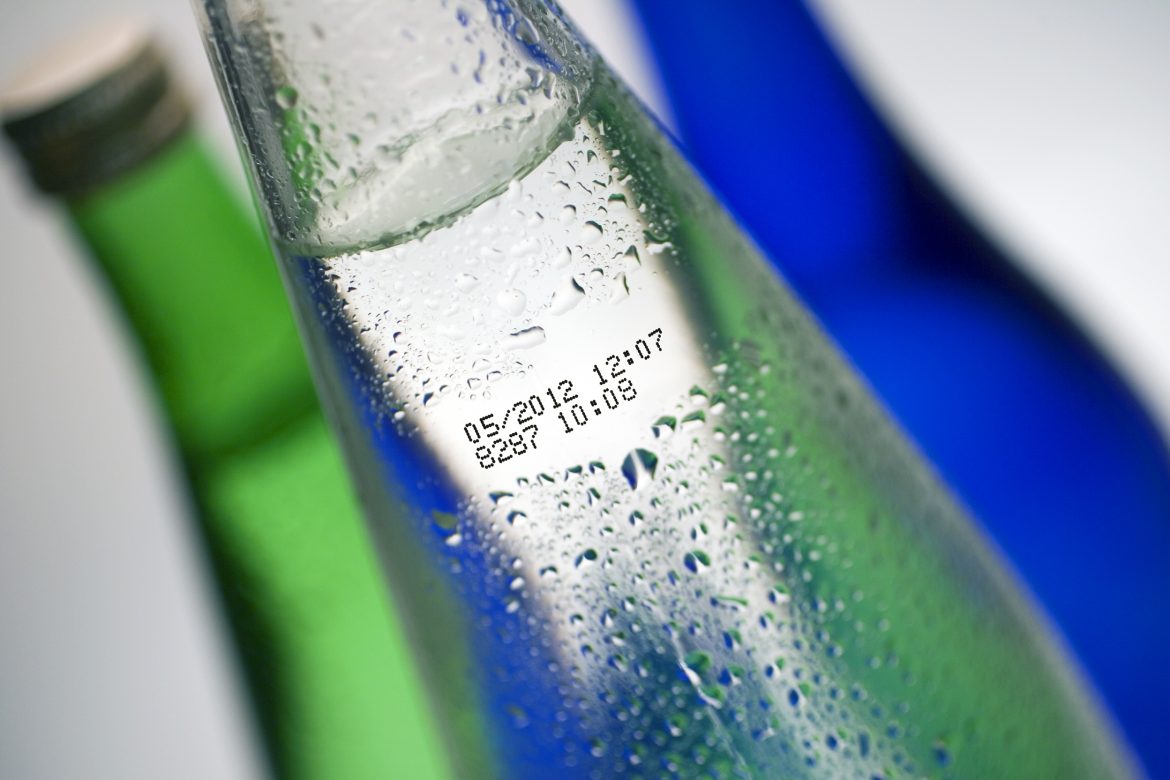
Industrial marking machines play a critical role in ensuring product identification, traceability, and regulatory compliance. From batch codes and expiration dates to barcodes and serial numbers, accurate marking is essential for maintaining operational control across production lines.
As production speeds increase and product variations become more complex, selecting the right industrial marking machines is no longer just a technical decision. It becomes a strategic investment that directly impacts efficiency, product quality, and long-term reliability.
What Is an Industrial Marking Machine?
Before selecting a system, it is important to understand what industrial marking machines are and how they function within production environments. These machines are designed to apply variable data directly onto products or packaging during the manufacturing process.
Unlike manual labeling, industrial marking machines operate continuously and are integrated into automated production lines. This allows manufacturers to maintain consistent marking quality even at high speeds.
In most cases, these systems are connected to centralized databases or production control systems, ensuring that each product receives accurate and up-to-date information without manual intervention.
Core Technologies Behind Industrial Marking Machines
Different technologies power industrial marking machines, each suited to specific materials, environments, and production requirements. Understanding these technologies helps you determine the most effective solution for your operations. The following are the main technologies used:
1. Continuous Inkjet (CIJ)
Continuous Inkjet (CIJ) is one of the most widely used technologies in industrial marking machines, particularly for high-speed production lines.
CIJ works by projecting a continuous stream of ink droplets onto the product surface without direct contact. This makes it highly adaptable to various materials, including plastic, glass, and metal.
Its key advantages include:
- High-speed performance for continuous production.
- Fast-drying ink that minimizes smudging.
- Flexibility for curved or uneven surfaces.
CIJ is commonly used in industries such as food and beverage, where production lines may run continuously for extended periods.
2. Laser Marking
Laser marking uses a focused beam to engrave or alter the surface of a product. This method produces permanent marks that are resistant to abrasion, chemicals, and environmental exposure.
It is particularly suitable for applications requiring long-lasting identification, such as metal components or rigid packaging. However, laser systems may require higher upfront investment and are less flexible for certain materials.
3. Thermal Transfer Overprint (TTO)
Thermal Transfer Overprint (TTO) is often used for flexible packaging, such as films and labels. It transfers ink from a ribbon onto the surface using heat and pressure.
TTO systems provide high-resolution prints and are commonly used for detailed information on packaging. However, they are typically more suitable for moderate-speed applications compared to CIJ systems.
| Technology | Best For | Advantages |
|---|---|---|
| CIJ | High-speed production | Fast, versatile |
| Laser | Permanent marking | Durable, no ink |
| TTO | Flexible packaging | High resolution |
Read About: Industrial Coding and Marking Solutions: Reducing Errors and Downtime on Modern Production Lines
Key Features to Look For in an Industrial Marking Machine
Selecting the right industrial marking machines requires evaluating specific performance characteristics. These features determine whether the system can maintain reliability under real production conditions. Here are the important factors you need to pay attention to:
1. Print Durability & Environmental Resistance
Marking durability is essential, especially in environments exposed to moisture, heat, or abrasion. Codes must remain legible throughout storage, transport, and handling.
In industries such as food and pharmaceuticals, unreadable codes can lead to compliance issues and product recalls. Therefore, selecting a system with strong ink adhesion or permanent marking capability is critical.
2. Speed & Throughput Compatibility
Production lines often operate at high speeds, processing hundreds or even thousands of units per minute. Industrial marking machines must keep up without compromising print quality.
A mismatch between marking speed and line speed can create bottlenecks, reducing overall efficiency. Reliable systems are designed to maintain consistent output even under continuous operation.
3. Ease of Integration & Operation
Modern production environments rely heavily on automation. Industrial marking machines should integrate seamlessly with existing systems, including conveyors, sensors, and production management software.
Ease of operation is equally important. User-friendly interfaces reduce the risk of human error and simplify training, ensuring consistent performance across shifts.
Practical Applications in Manufacturing Industries
Industrial marking machines are used across a wide range of industries, each with specific requirements and challenges.
In the food and beverage sector, they are used to print expiration dates and batch codes on bottles, cans, and packaging. In pharmaceuticals, they support serialization and compliance with strict regulatory standards.
In electronics and automotive industries, industrial marking machines enable component identification and traceability throughout the supply chain. Reliable marking systems are essential for maintaining product authenticity and ensuring efficient recall processes when needed.
How to Choose the Right Industrial Marking Machine
Choosing the right industrial marking machines requires a comprehensive understanding of your production environment. It is not only about selecting a technology but ensuring that the system aligns with your operational goals.
Key considerations include:
- Production speed and required throughput.
- Type of substrate, such as plastic, metal, or flexible packaging.
- Environmental conditions, including temperature and humidity.
- Required durability and compliance standards.
Partner with DSI for Reliable Industrial Marking Solutions
Selecting the right industrial marking machines is a critical step toward achieving consistent and efficient production. However, long-term performance depends on how well the system is integrated and optimized within your workflow.
DSI provides advanced industrial coding solutions designed to deliver reliable, high-speed marking across various manufacturing environments. With the right combination of technology and technical expertise, your production line can maintain consistent print quality while adapting to changing operational demands.
To explore solutions tailored to your production needs, see a complete list of continuous inkjet printer here. With a well-matched marking system, you can improve traceability, reduce operational disruptions, and maintain consistent product quality across every stage of production.
References:
- https://www.videojet.com/us/homepage/products.html
- https://reliableglobal.com/coding-marking/
- https://www.domino-printing.com/en/sectors/industrial