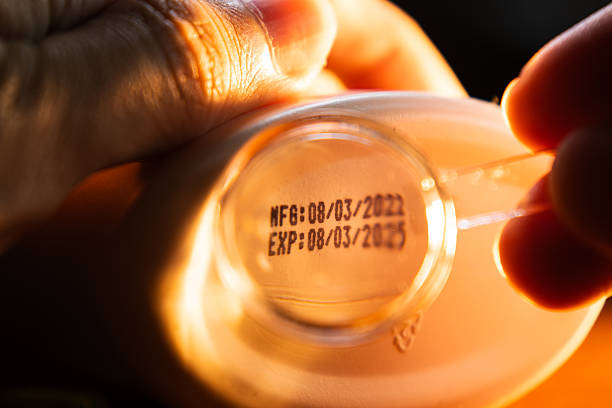
Understanding Batch Code Numbers and Their Role in Manufacturing
A batch code number is a unique identifier assigned to a specific group of products manufactured under the same conditions. These codes play a crucial role in product traceability, quality control, and regulatory compliance across various industries. They are essential in sectors such as pharmaceuticals, cosmetics, food, and beverages, ensuring product safety and facilitating recalls when necessary.
In modern manufacturing, batch code numbers are also closely linked to digital traceability systems, enabling faster investigations, improved transparency, and more efficient supply chain management.
The Importance of Batch Codes
Batch codes provide several critical benefits in manufacturing and distribution, including:
- Traceability: Helps manufacturers track and trace products throughout the supply chain.
- Quality Control: Ensures that defective products can be identified and removed efficiently.
- Regulatory Compliance: Many industries are required by law to include batch numbers for transparency and consumer protection. Regulatory authorities often require batch codes to be clearly printed, durable, and readable throughout the product’s lifecycle to ensure effective monitoring and recall execution.
- Consumer Safety: Enables quick recalls in case of safety concerns or contamination.
See Also: Recommended Batch Code Checker Website
Step-by-Step Guide to Creating Batch Numbers
Batch numbers follow specific formats based on industry requirements, typically incorporating elements like the production date, item code, and sequential numbering. To maintain consistency and minimize human error, many manufacturers rely on automated batch coding systems that generate and apply batch codes directly on production lines. Below is a step-by-step guide to generating an effective and compliant batch code:
1. Determine the Key Components
Batch codes generally include:
- Product Code: A unique identifier for the product category.
- Production Date: Typically formatted as YYYYMMDD to indicate when the batch was manufactured.
- Batch Sequence: A unique number or letter sequence assigned to differentiate multiple batches produced on the same day.
2. Choose a Standardized Format
Common batch numbering formats include:
- Simple Numeric: Example –
230201001(February 1, 2023, Batch 001) - Alphanumeric Mix: Example –
PROD23A01(Product Code + Year + Sequence) - GS1 Standard Format: Aligning with international standards to improve global traceability.
3. Implement Automated Systems
To ensure accuracy and consistency, companies often use automated batch coding systems such as:
- Inkjet Printers: Commonly used for printing batch codes directly on packaging at high production speeds.
- Laser Marking: Provides high-quality and permanent batch code printing. The choice of printing technology plays a critical role in ensuring batch codes remain legible, accurate, and compliant with industry standards across different packaging materials.
- Labeling Machines: Useful for applying batch codes on stickers and packaging labels.
4. Store and Track Batch Numbers
Utilizing software solutions to log batch numbers helps maintain accurate records for:
- Inventory Management: Helps in tracking stock levels and expiry dates.
- Quality Assurance: Ensures defective batches can be identified quickly.
- Regulatory Reporting: Streamlines compliance documentation. Digital batch tracking systems also support faster audits, better data analysis, and improved decision-making across production, quality, and compliance teams.
Industry-Specific Applications of Batch Codes
1. Pharmaceuticals
- Regulatory Requirement: Batch numbers are mandatory for drug tracking and recall.
- Example: A medication bottle labeled with
RX-240520-01indicates the first batch was produced on May 24, 2024. - Purpose: Ensures drug authenticity, facilitates recalls, and supports regulatory audits.
2. Food & Beverage Industry
- Regulatory Requirement: Batch codes help track perishable items and ensure food safety.
- Example: A dairy product with the batch code
MILK-240521-02means it was produced on May 21, 2024, and is the second batch of that day. - Purpose: Helps monitor shelf life and identify contamination sources.
3. Cosmetics Industry
- Regulatory Requirement: Many cosmetic products require batch coding for quality assurance and compliance.
- Example: A lipstick with the batch number
LIP-240523-B01signifies its manufacturing date and batch sequence. - Purpose: Ensures that only safe and tested products reach consumers.
4. Electronics & Manufacturing
- Regulatory Requirement: Used for tracking components and preventing counterfeit parts.
- Example: A batch number like
ELEC-240524-07helps in quality assurance and warranty claims. - Purpose: Enhances product safety and customer support.
Best Practices for Effective Batch Coding
- Use Readable Fonts & Sizes: Ensure codes are legible for both consumers and scanning devices.
- Choose the Right Printing Technology: Inkjet, laser, or thermal printing depending on the product surface.
- Keep Records Digitally: Maintain batch logs in digital inventory systems for quick access.
- Regular Audits & Verification: Periodically check batch coding accuracy and compliance. Consistent and accurate batch coding not only supports regulatory compliance but also strengthens consumer trust by demonstrating product accountability and transparency.
Conclusion
Batch code numbers are essential for ensuring product traceability, quality control, and compliance across various industries. By implementing a standardized batch numbering system, companies can enhance efficiency, consumer safety, and regulatory adherence. Across industries such as pharmaceuticals, food, cosmetics, and electronics, an effective batch coding strategy plays a vital role in ensuring efficient manufacturing and a reliable supply chain.